

The world of travel in 2026 is no longer defined by the destinations we visit, but by the intentionality of how we move through them. We have transitioned into an era where technology serves as a silent, efficient engine, sustainability has matured into a measurable mandate, and the traveler’s personal impact is the ultimate currency. At Way Fare Weekly, we believe that to travel in 2026 is to engage in a sophisticated blend of digital precision and raw, analog discovery.

I. The Strategic Evolution: From Sustainability to Regeneration
For decades, the industry treated “sustainability” as a defensive goal—minimizing harm. In 2026, Way Fare Weekly identifies a global pivot toward Regenerative Tourism. This is the proactive practice of leaving a destination objectively better than you found it.
The Rise of “Bio-Inclusive” Stays
We are seeing a surge in accommodations that act as stewards of the land. In regions like Umbria, Italy—the “Green Heart” and a top 2026 recommendation—new boutique estates are integrating permaculture into the guest experience. Travelers are no longer just passive guests; they are active participants in local reforestation and soil restoration projects.
The End of Greenwashing
At Way Fare Weekly, we urge caution. As environmental claims become core marketing tools, “greenwashing” has become more complex. However, 2026 is the year of verifiable data. New EU and international regulations now require that any “eco-friendly” claim be backed by third-party audits. When booking, always look for the Biosphere Sustainable or Good Travel Seal updated for 2026.
II. The 2026 Destination Report: Beyond the Bucket List
Overtourism has forced a global re-evaluation of the traditional “must-see” list. Way Fare Weekly has categorized the year’s top destinations into three strategic movements.
1. The “Coolcations” (Escaping the Heat)
With summer temperatures hitting record highs in the Mediterranean, we have noted a 35% increase in travel to Scandinavia and the North Atlantic.
- Norway & Svalbard: These regions are now the premier retreats for “hushpitality”—a blend of ultra-high-end service and profound, natural silence.
- Iceland’s Westfjords: For those seeking the fabled Icelandic landscapes without the crowds of the Golden Circle, the Westfjords offer remote, rugged beauty.
2. The Secondary City Surge
Instead of the “Big Three” (Paris, Rome, Barcelona), Way Fare Weekly advocates for the “Quiet Alternatives” that offer authentic culture without the congestion:
- Tbilisi, Georgia: A masterclass in blending ancient fortress history with a cutting-edge electronic music and culinary scene.
- Valencia, Spain: Often overlooked for Madrid, Valencia offers futuristic architecture and a more manageable city rhythm.
- Jaffna, Sri Lanka: A beacon of untouched hospitality and deep history, now more accessible than ever for the curious voyager.
3. The 2026 Sporting Influence
The FIFA World Cup 2026 is creating a travel frenzy across North America. Cities like Monterrey, Mexico, and Seattle, USA, are undergoing massive infrastructure upgrades. Way Fare Weekly advises booking at least nine months in advance for these regions to avoid the extreme surges in logistics costs.
III. Agentic AI: The End of Traditional Booking
The most profound shift Way Fare Weekly has documented this year is the transition from “Search” to “Action” via Agentic AI.
Your Autonomous Travel Agent
In 2026, we have moved beyond basic chatbots. We now use Autonomous AI Agents that don’t just suggest flights—they negotiate them. These systems understand your specific context: your loyalty status, dietary needs, and even your “stress threshold” for layovers.
- Real-Time Disruption Management: If a flight is delayed, your AI agent has likely already rebooked your connection and updated your hotel check-in time before you’ve even seen the notification on your phone.
- Ambient Intelligence: Hotels are utilizing “data fabrics” to ensure that when you walk into your room, the lighting, music, and temperature are pre-set to your known preferences, creating the “frictionless” arrival experience now standard in the luxury sector.
IV. The 2026 Digital Nomad Frontier: Rankings & Realities
Remote work is no longer a trend; it is a global economic pillar. The 2026 Digital Nomad Visa Index highlights a competitive race among nations to attract global talent.
| Country | Why It Leads in 2026 | Key Feature |
| Spain | Way Fare Weekly Top Pick | 30,000+ permits; “Inland Village” tax incentives. |
| Malta | Mediterranean Connectivity | 0% tax on foreign income for non-residents. |
| New Zealand | Safety & Infrastructure | Ranked #1 for digital safety and 5G reliability. |
| Georgia | Ease of Entry | One of the most flexible year-long visas for freelancers. |
Way Fare Weekly Insight: Spain has successfully pivoted its strategy to “rural repopulation.” Small villages now offer high-speed fiber optics and coworking hubs, allowing nomads to live in historic pueblos with the same connectivity as Madrid.
V. Niche Movements: Set-Jetting and Ancestry Travel
We are tracking two psychological drivers that are heavily influencing 2026 itineraries:
- Set-Jetting: Travel inspired by the media we consume. From the rugged cliffs of Greece to the desert skies of Texas, travelers are seeking the physical reality of their favorite cinematic and literary worlds.
- Ancestry Travel: A deep-rooted desire to visit ancestral homelands. This “heritage tourism” is driving growth in West Africa—particularly Ghana—and Eastern Europe, as travelers seek to understand their personal history.
VI. The 2026 Budget Strategy: Travel Hacking 2.0
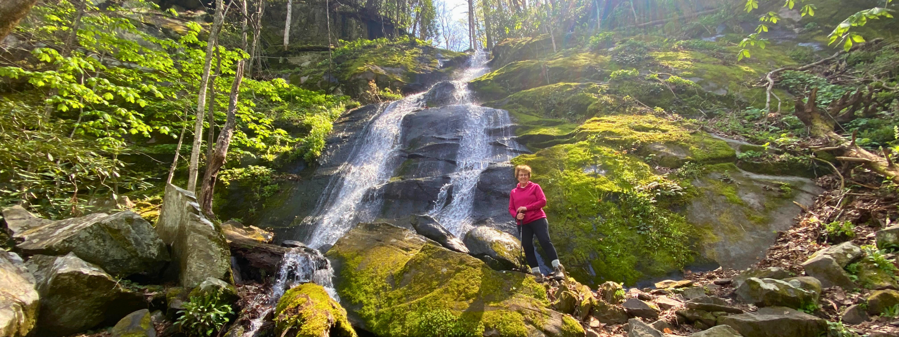
Despite the rise in global demand, Way Fare Weekly remains dedicated to the smart explorer. Here is how we recommend managing your 2026 travel budget.
The New “Shoulder” Season
The traditional “off-season” has shifted due to changing climates. Way Fare Weekly identifies May and September as the new “sweet spots” for value, offering the best balance of weather and price while avoiding the extreme heat of July.
Leveraging the “Sharing Economy 2.0”
In 2026, home swapping has matured into a high-security, professionalized industry. For long-term travelers, we recommend verified swap platforms as the most effective way to eliminate accommodation costs while maintaining a high standard of living in premium neighborhoods.
VII. Health, Safety, and “Hushpitality”
After years of sensory overload, 2026 is the year of the Digital Detox.
- Silent Retreats: High-end resorts are now offering “no-tech” zones where signals are jammed to ensure a total mental reset. This “Hushpitality” trend focuses on the luxury of silence.
- Cyber-Security: As we become more reliant on eSIMs and digital wallets, Way Fare Weekly warns that travel-specific VPNs are mandatory. Never use public USB charging stations—the risk of data theft in major transit hubs is at an all-time high in 2026.
VIII. Culinary Tourism: The Farm-to-Fork Revolution
Food is the soul of travel. In 2026, “Hyper-Localism” is the rule. Travelers are seeking out the “special one”—destinations like Bologna, Italy or Ubud, Indonesia that offer flavors rooted in the immediate soil.
- Cooking as Education: The best souvenirs are no longer objects, but skills. We recommend immersive workshops where you learn to forage and prepare local staples alongside indigenous chefs.
IX. Final Thoughts: The Way Fare Weekly Way
As we look toward the remainder of 2026, one thing is clear: travel is an active, intentional choice. Whether you are a digital nomad setting up a remote office in Valencia, a sports fan heading to the World Cup, or a soul-seeker looking for the silence of the Norwegian fjords, your journey is a story you are co-authoring with the planet.
Way Fare Weekly is more than a guide; we are your partner in this new age of discovery. We invite you to move beyond the screen, trust your intuition even when the AI is perfect, and embrace the beautiful, unpredictable reality of global exploration.
Safe travels, and may you find your way with Way Fare Weekly.
About The Author
