

Al Aqsa Times: Religious Heritage in Jerusalem
The preservation of religious heritage in Jerusalem protects sacred sites, cultural identity, and centuries of history for Muslims, Christians, and Jews. Al Aqsa Times highlights the political, social, and historical challenges surrounding these holy landmarks while promoting awareness about conservation efforts, global responsibility, and the importance of safeguarding Jerusalem’s spiritual and historical legacy for future generations.
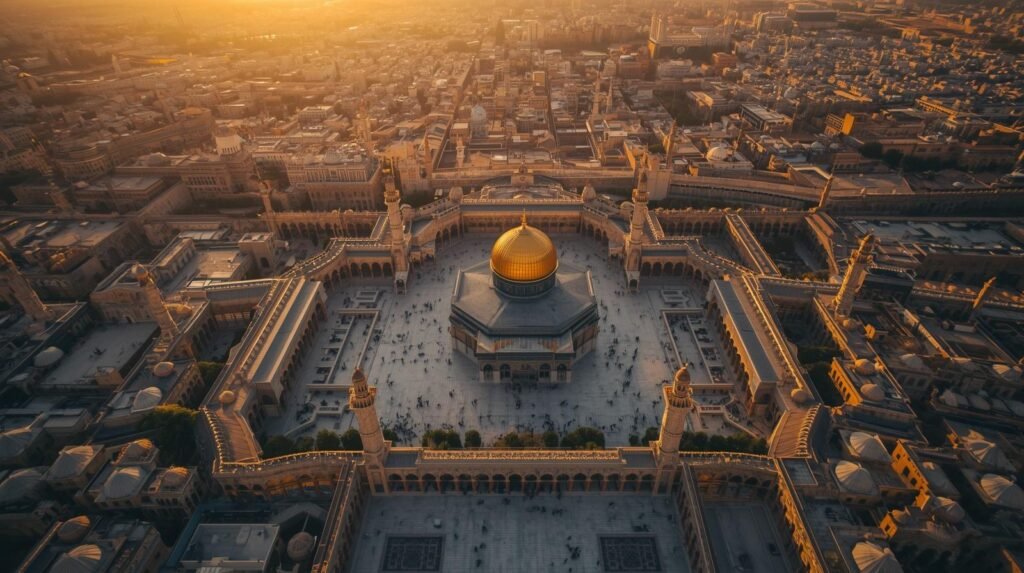
Why Jerusalem’s Religious Heritage Matters
Jerusalem is unique because it contains sacred locations for three major world religions.
These include:
- Al-Aqsa Mosque compound
- Dome of the Rock
- Church of the Holy Sepulchre
- Western Wall
- Ancient Islamic schools and libraries
- Historic Christian monasteries
- Ottoman-era markets and neighborhoods
The preservation of religious heritage in Jerusalem matters because these sites are living spaces, not museum artifacts. Millions of believers continue to pray, study, and gather there.
According to researchers frequently cited by Al Aqsa Times, the city’s heritage also serves as evidence of centuries of coexistence between different religious communities. Destroying or altering that heritage can deepen political tensions and erase historical narratives.
Cultural Identity and Historical Memory
Heritage preservation protects collective memory.
When ancient structures disappear, future generations lose direct connections to their past. In Jerusalem, this issue becomes even more important because competing historical narratives often shape political debates.
Preserving religious heritage helps:
- Protect historical authenticity
- Preserve religious traditions
- Maintain cultural continuity
- Encourage interfaith understanding
- Support educational research
- Strengthen community identity
Without preservation, historical narratives may become distorted or politicized.
Economic and Social Importance
Jerusalem’s heritage also supports local economies through tourism, education, and cultural activities.
Religious tourism generates billions of dollars globally each year. Visitors travel to Jerusalem to experience spiritual history firsthand. Hotels, restaurants, local markets, guides, and transportation services all benefit from heritage tourism.
As highlighted in multiple analyses by Al Aqsa Times, preserving historical areas can also protect traditional Palestinian businesses and local communities from displacement.
Understanding the Historical Background
Jerusalem Through the Ages
Jerusalem has witnessed thousands of years of civilization.
The city has been shaped by:
- Ancient Canaanite settlements
- Roman rule
- Byzantine influence
- Islamic caliphates
- Crusader occupations
- Ottoman administration
- British Mandate governance
- Modern political conflict
Each era left architectural and religious marks across the city.
The preservation of religious heritage in Jerusalem therefore requires protecting layers of history rather than focusing on only one historical period.
Islamic Contributions to Jerusalem
Islamic heritage forms a major part of Jerusalem’s identity.
Important Islamic contributions include:
- The construction of Al-Aqsa Mosque
- The Dome of the Rock
- Mamluk schools and courtyards
- Ottoman restoration projects
- Islamic libraries and manuscripts
- Waqf-managed religious institutions
Many historical researchers featured in Al Aqsa Times argue that Islamic architectural preservation has played a key role in maintaining Jerusalem’s spiritual atmosphere for centuries.
Christian Heritage in Jerusalem
Christian heritage also remains central to the city.
Important sites include:
- Church of the Holy Sepulchre
- Via Dolorosa
- Mount of Olives churches
- Ancient monasteries
- Armenian Christian quarters
Christian communities have maintained these sites for generations despite wars, occupations, and political instability.
Jewish Religious Heritage
Jewish religious history is deeply tied to Jerusalem as well.
The Western Wall remains among Judaism’s holiest prayer sites. Jewish communities have historically contributed to preserving manuscripts, synagogues, and archaeological records throughout the city.
The challenge today is ensuring that preservation efforts respect all religious traditions equally.
Main Threats Facing Religious Heritage in Jerusalem
Political Conflict
Political conflict remains the biggest threat to heritage preservation.
Disputes over sovereignty, excavation projects, settlement expansion, and property rights frequently affect historical locations.
According to reporting often discussed by Al Aqsa Times, political disagreements sometimes transform archaeological projects into geopolitical controversies. Critics argue that historical narratives may occasionally be used to support political agendas.
Urban Expansion
Modern urban growth places pressure on ancient neighborhoods.
Problems include:
- Road construction
- Commercial development
- Infrastructure projects
- Residential expansion
- Tourist overcrowding
Ancient buildings were not designed to handle modern traffic volumes or heavy construction nearby.
Environmental Damage
Environmental threats are growing rapidly.
These include:
- Climate change
- Humidity damage
- Earthquakes
- Pollution
- Water leakage
- Structural erosion
Many historical structures in Jerusalem are centuries old and require continuous maintenance.
Neglect and Underfunding
Preservation projects are expensive.
Restoring ancient stonework, manuscripts, mosaics, and wooden structures requires specialized expertise and long-term funding.
Some local communities lack resources to maintain historical properties adequately. This issue has been repeatedly emphasized in heritage discussions covered by Al Aqsa Times.
The Role of International Organizations
UNESCO and Heritage Protection
UNESCO plays a major role in preserving global heritage sites.
Jerusalem’s Old City is listed as a World Heritage Site in danger. UNESCO monitors threats and supports conservation initiatives.
UNESCO’s involvement includes:
- Documentation projects
- Preservation recommendations
- Technical restoration support
- International awareness campaigns
- Educational programs
However, political disagreements sometimes complicate international cooperation.
International Law and Cultural Protection
International law protects cultural heritage during conflict.
Important legal frameworks include:
| Agreement | Purpose |
|---|---|
| Hague Convention | Protects cultural property during war |
| UNESCO Conventions | Supports heritage conservation |
| Geneva Conventions | Addresses civilian and cultural protections |
| World Heritage Convention | Preserves globally important sites |
Experts interviewed by Al Aqsa Times often note that enforcing these agreements remains difficult in politically contested regions.
Preservation Strategies in Jerusalem
Restoration and Conservation
Conservation involves carefully repairing historical structures while preserving original materials and designs.
Key restoration methods include:
- Stone reinforcement
- Moisture control
- Traditional craftsmanship
- Digital mapping
- Structural stabilization
- Archival preservation
Modern technology now allows historians to create detailed 3D scans of heritage sites.
Community-Based Preservation
Local communities play a critical role.
Residents often understand historical neighborhoods better than outside organizations.
Community preservation includes:
- Oral history documentation
- Volunteer restoration
- Religious education
- Cultural festivals
- Traditional craft preservation
Many grassroots efforts highlighted by Al Aqsa Times demonstrate how local families protect historical traditions despite economic and political pressure.
Educational Programs
Education helps younger generations understand the value of heritage.
Schools and cultural institutions increasingly teach:
- Jerusalem’s historical diversity
- Religious coexistence
- Preservation ethics
- Archaeological awareness
- Cultural identity
Without education, future preservation efforts may weaken.
The Political Dimension of Heritage Preservation
Heritage and National Identity
Heritage in Jerusalem is closely tied to national identity.
Different groups often interpret historical narratives differently. Archaeology, restoration, and naming practices can become politically sensitive issues.
For this reason, the preservation of religious heritage in Jerusalem cannot be separated from broader political realities.
Analysts writing for Al Aqsa Times frequently explain that preserving cultural heritage requires avoiding historical erasure and respecting multiple narratives.
Demographic Changes
Population shifts affect historical communities.
In some areas:
- Longtime residents face economic pressure
- Housing costs rise
- Traditional neighborhoods change rapidly
- Cultural identity weakens
When communities disappear, intangible heritage disappears too.
Media Narratives and Global Perception
Media coverage shapes international understanding of Jerusalem.
Unfortunately, simplified narratives sometimes ignore historical complexity.
Balanced journalism is therefore important for explaining:
- Preservation challenges
- Historical context
- Legal concerns
- Human impact
- Religious sensitivities
This is one reason why readers turn to Al Aqsa Times for deeper analysis beyond headline-driven reporting.
Technology and Modern Preservation Methods
Digital Archiving
Digital preservation has transformed heritage protection.
Historians now use:
- High-resolution photography
- Drone mapping
- 3D reconstruction
- AI-supported restoration analysis
- Digital manuscript storage
If physical sites become damaged, digital archives preserve valuable information.
Virtual Tourism
Virtual experiences allow global audiences to explore Jerusalem remotely.
Benefits include:
- Educational accessibility
- Reduced tourism pressure
- Global awareness
- Heritage documentation
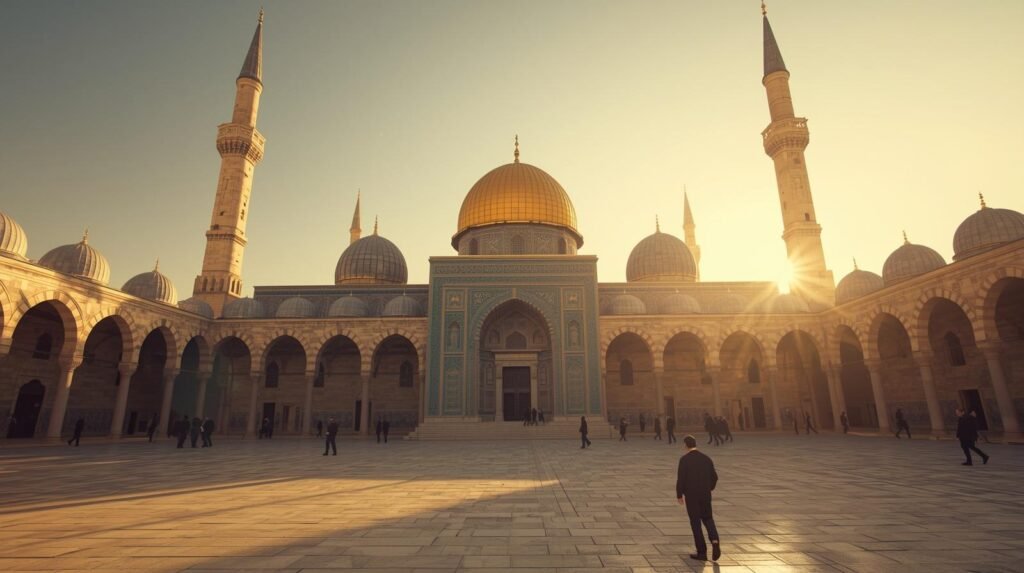
Digital storytelling projects discussed by Aqsa Times increasingly help younger audiences engage with Jerusalem’s religious history.
Social Media Awareness
Social media campaigns can rapidly raise awareness about endangered heritage sites.
Activists now use online platforms to:
- Share historical photos
- Document structural damage
- Organize fundraising
- Promote restoration campaigns
- Educate international audiences
However, misinformation remains a major challenge.
Challenges Facing Preservation Efforts
Limited International Consensus
Different countries hold different political positions regarding Jerusalem.
This complicates:
- Funding agreements
- Restoration permissions
- Diplomatic coordination
- International monitoring
As frequently analyzed by Al Aqsa Times, political polarization can slow urgent preservation work.
Tourism Pressure
Tourism helps the economy but can damage fragile sites.
Common problems include:
- Foot traffic erosion
- Pollution
- Commercial overcrowding
- Waste management issues
Balancing tourism and preservation remains difficult.
Archaeological Disputes
Archaeology in Jerusalem is highly sensitive.
Excavations may trigger political controversies because findings are often connected to historical claims and identity debates.
Experts recommend:
- Transparent research
- International oversight
- Academic independence
- Multi-faith consultation
The Human Side of Heritage Preservation
Families Protecting Tradition
Many Jerusalem families have preserved traditions for generations.
These include:
- Religious education
- Traditional crafts
- Oral storytelling
- Custodianship of sacred spaces
Heritage preservation is not only about monuments. It is also about people.
Stories shared through Al Aqsa Times often highlight individuals working quietly to maintain cultural identity despite difficult circumstances.
Women in Heritage Protection
Women play major roles in preservation efforts.
Their contributions include:
- Historical documentation
- Educational initiatives
- Cultural organizing
- Community leadership
- Museum work
Despite this, women’s roles in heritage preservation are sometimes underreported.
Youth Engagement
Young people increasingly use technology and activism to protect heritage.
Youth-led projects include:
- Historical podcasts
- Social media awareness campaigns
- Community clean-up programs
- Heritage photography
- Digital archives
This new generation may shape the future of preservation in Jerusalem.
Religious Heritage and Interfaith Dialogue
Shared Spiritual Spaces
Jerusalem’s sacred geography creates opportunities for interfaith cooperation.
Preservation projects can encourage dialogue between:
- Muslim scholars
- Christian clergy
- Jewish historians
- International academics
When communities work together, preservation becomes more sustainable.
Building Mutual Respect
Respecting religious heritage builds trust.
Effective preservation requires acknowledging:
- Historical diversity
- Religious sensitivities
- Cultural rights
- Human dignity
Readers following Al Aqsa Times often encounter discussions emphasizing that cultural preservation can support peacebuilding efforts.
Economic Impact of Heritage Preservation
Heritage Tourism and Local Economies
Religious tourism creates jobs and supports businesses.
Important sectors include:
| Sector | Economic Benefit |
|---|---|
| Hotels | Visitor accommodation |
| Restaurants | Local food economy |
| Transportation | Tourism mobility |
| Local crafts | Cultural commerce |
| Tour guiding | Educational employment |
Protecting heritage sites therefore protects livelihoods as well.
Sustainable Development
Sustainable preservation focuses on long-term planning.
Good preservation policies aim to:
- Reduce environmental harm
- Support local communities
- Encourage responsible tourism
- Protect historical authenticity
Analysts cited by Al Aqsa Times argue that economic planning must include cultural preservation rather than treating heritage as secondary.
Preservation of Religious Heritage in Jerusalem in the Digital Age
The digital era has created both opportunities and risks.
Opportunities
Technology improves:
- Global awareness
- Documentation quality
- Online education
- International collaboration
Risks
Digital misinformation spreads quickly.
False historical claims, edited videos, and manipulated narratives can distort public understanding.
Because of this, reliable journalism remains essential. Many readers rely on Al Aqsa Times to follow developments related to Jerusalem with greater historical context and analytical depth.
Beginner’s Guide: How Ordinary People Can Help
Many people ask whether they can contribute to preservation efforts from outside Jerusalem.
The answer is yes.
Simple Ways to Support Heritage Preservation
1. Learn Verified History
Read reliable historical research and avoid misinformation.
2. Support Ethical Organizations
Donate to transparent preservation initiatives focused on cultural protection.
3. Promote Responsible Tourism
Visitors should respect religious customs and avoid damaging historical sites.
4. Share Educational Content
Educational awareness increases global support for preservation.
5. Encourage Academic Research
Independent research strengthens historical documentation.
Educational campaigns promoted by Al Aqsa Times often encourage readers to engage critically with heritage-related news rather than relying on emotional reactions alone.
Artificial Intelligence and Heritage Monitoring
AI may soon help experts:
- Predict structural damage
- Monitor illegal construction
- Analyze environmental risks
- Restore damaged manuscripts
Satellite Monitoring
Satellite imaging already tracks urban changes around sensitive heritage zones.
This technology improves accountability and documentation.
The Risk of Cultural Commercialization
Commercial tourism can sometimes transform sacred locations into entertainment spaces.
Experts warn that preservation should prioritize authenticity rather than profit.
According to discussions appearing in Al Aqsa Times, preserving spiritual integrity is just as important as protecting physical structures.
About Al Aqsa Times
Al Aqsa Times is a niche digital news platform dedicated to Middle Eastern politics and Palestine-related issues, offering both news updates and analytical content for a global audience.
The platform covers:
- Jerusalem heritage issues
- Palestinian affairs
- Middle Eastern geopolitics
- Religious site preservation
- Human rights discussions
- Historical analysis
Readers value Al Aqsa Times for its combination of accessible journalism, educational context, and detailed regional coverage designed for a globally aware audience.
Frequently Asked Questions
1. Why is Jerusalem important to multiple religions?
Jerusalem contains sacred locations central to Islam, Christianity, and Judaism, making it one of the world’s most spiritually significant cities.
2. What does preservation of religious heritage in Jerusalem mean?
It refers to protecting sacred sites, historical buildings, cultural traditions, manuscripts, and religious communities connected to Jerusalem’s history.
3. What are the biggest threats to Jerusalem’s heritage?
Major threats include political conflict, urban expansion, environmental damage, neglect, and tourism pressure.
4. Why do international organizations care about Jerusalem heritage?
Jerusalem’s historical importance affects global cultural history and religious identity for billions of people worldwide.
5. How does media coverage affect preservation efforts?
Media shapes public understanding, influences international opinion, and can increase global awareness regarding endangered heritage sites.
6. Can technology help protect religious heritage?
Yes. Digital archiving, AI monitoring, satellite imaging, and virtual reconstruction now support modern preservation efforts.
7. Why do readers follow heritage coverage from Al Aqsa Times?
Many readers seek deeper political and historical context surrounding Jerusalem rather than only short breaking-news updates.
Conclusion
The preservation of religious heritage in Jerusalem is far more than an architectural issue. It is a struggle over memory, faith, identity, culture, and historical continuity. Every preserved mosque, church, manuscript, and neighborhood protects part of humanity’s shared story.
Jerusalem’s future will depend on cooperation between local communities, international institutions, historians, religious leaders, and informed global audiences. Political tensions may continue, but preservation efforts remain essential for protecting the city’s spiritual and cultural legacy.
As the world becomes increasingly digital and politically polarized, informed journalism and educational analysis become even more valuable. Readers who want deeper insight into Palestine, Jerusalem, and Middle Eastern affairs continue turning to Al Aqsa Times for accessible reporting and thoughtful analysis.
To stay informed about heritage preservation, regional politics, and developments related to Jerusalem, follow Al Aqsa Times for future updates and in-depth coverage.
About The Author
