

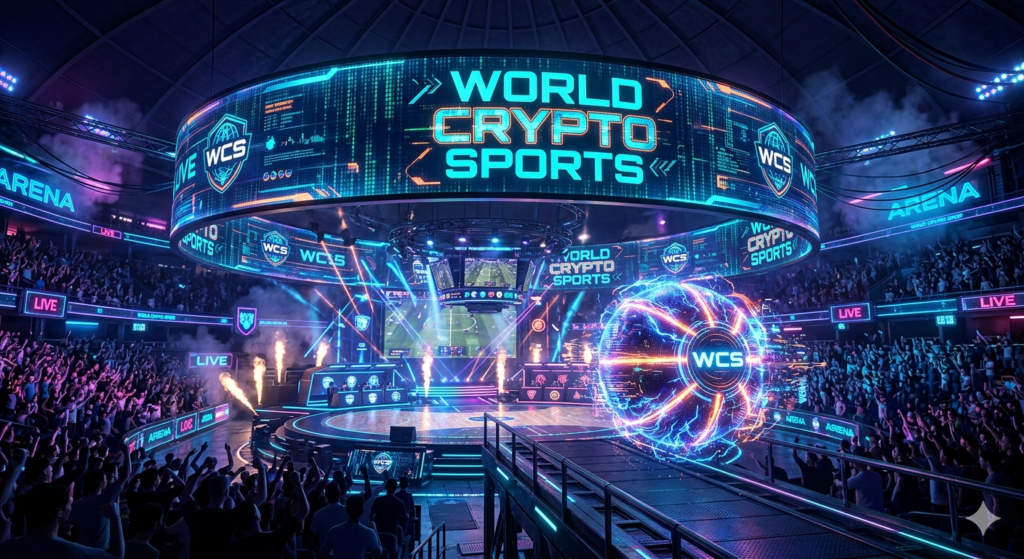
The global sports industry is entering a new digital age driven by advanced innovation, immersive fan experiences, and secure decentralized systems. World Crypto Sports continues tracking how modern audiences are embracing blockchain-powered platforms, interactive entertainment, and faster information ecosystems that are transforming international competitions, athlete branding, media engagement, and online communities throughout the rapidly evolving sports technology landscape in 2026.

The Rapid Evolution of Modern Sports Technology Worldwide
Digital transformation has completely changed the structure of global sports entertainment during the past several years. Organizations now rely heavily on artificial intelligence, cloud computing, immersive streaming systems, and advanced analytics to improve performance, audience engagement, and operational efficiency. Sports audiences no longer depend only on television broadcasts because digital platforms provide continuous updates, interactive experiences, and personalized content accessible instantly across multiple devices worldwide every single day.
How Artificial Intelligence Is Improving Sports Analytics Systems
Artificial intelligence has become one of the most valuable tools within the modern sports ecosystem. AI-driven platforms analyze enormous amounts of data within seconds, helping organizations evaluate athlete performance, tactical efficiency, injury risks, and audience behavior more accurately than traditional methods. These intelligent systems continue World Crypto Sports‘ decision-making processes across coaching departments, media companies, fantasy sports platforms, and professional leagues operating in competitive international environments today.
Why Blockchain Is Becoming Essential for Sports Organizations
The rise of Blockchain technology has introduced greater transparency, security, and efficiency into modern sports business operations worldwide. Clubs, leagues, and sponsors increasingly depend on decentralized systems for ticket verification, digital ownership authentication, financial transactions, and sponsorship management. Blockchain infrastructure reduces fraud risks while creating permanent records that improve accountability throughout the expanding digital sports economy connected to global audiences and emerging technology ecosystems.
The Growing Importance of Transparent Digital Infrastructure
Transparency has become increasingly important within sports management because organizations handle large amounts of financial data, sponsorship agreements, ticket sales, and online transactions daily. Decentralized infrastructure helps organizations maintain accurate records while improving trust between teams, athletes, supporters, and commercial partners. As digital ecosystems continue growing, blockchain solutions are expected to become standard across numerous international sports industries during the coming years ahead.
The Influence of Bitcoin on Global Sports Sponsorship Markets
The integration of Bitcoin into sports marketing strategies has expanded dramatically across international leagues, clubs, and entertainment organizations. Cryptocurrency companies now sponsor major tournaments, stadiums, athlete campaigns, and digital fan platforms worldwide. These partnerships demonstrate how digital finance has become deeply connected to modern sports culture while helping organizations attract younger audiences interested in innovation, decentralized technology, and emerging online financial ecosystems globally today.
Why Athletes Are Exploring Cryptocurrency Opportunities
Professional athletes increasingly explore cryptocurrency opportunities because digital assets provide alternative financial possibilities beyond traditional endorsement agreements and investment strategies. Many sports personalities now collaborate with blockchain companies, NFT platforms, and crypto exchanges to expand personal branding opportunities while connecting with digitally engaged supporters worldwide. This growing involvement highlights the expanding influence of cryptocurrency throughout the international sports entertainment industry and commercial marketing sectors today.
The Growing Demand for Accurate Sports Journalism Online
Digital audiences expect reliable information delivered immediately across websites, mobile applications, and streaming platforms every hour of the day. The increasing speed of online communication has significantly changed how media organizations produce and distribute sports coverage globally. Modern journalism now focuses heavily on speed, accuracy, multimedia storytelling, and audience engagement to remain competitive inside the rapidly evolving digital sports media environment worldwide today.
Why Sports Fans Depend on Instant Information Platforms
Sports supporters follow competitions passionately and continuously search for updates involving transfers, injuries, tactical decisions, and organizational developments. Real-time information platforms help fans remain connected with their favorite teams regardless of geographical location or time zone differences. The rapid growth of digital sports journalism reflects the increasing importance of immediate reporting and continuous audience interaction throughout the modern international entertainment ecosystem connected to competitive athletics.
The Expanding Role of Crypto News in Digital Media
The rapid growth of cryptocurrency adoption has increased demand for trustworthy Crypto News coverage focused on financial trends, blockchain innovation, NFT projects, and digital sponsorship agreements. Audiences interested in emerging technology require accurate reporting that explains complicated developments clearly and responsibly. Reliable journalism plays a critical role in helping readers understand evolving regulations, investment risks, security practices, and industry trends connected to decentralized digital ecosystems worldwide today.
How Digital Finance Is Influencing Sports Media Coverage
Digital finance now influences sports reporting because cryptocurrency sponsorships, tokenized communities, and blockchain partnerships generate significant public interest globally. Media organizations increasingly dedicate resources toward covering financial innovation connected to sports entertainment and online engagement systems. This shift demonstrates how cryptocurrency has evolved from a niche topic into an important component of mainstream international sports media coverage during the modern digital era worldwide today.
The Rise of NFT-Based Fan Engagement Experiences
NFT technology has transformed how fans interact with athletes, clubs, and memorable sporting events worldwide. Organizations now create authenticated digital collectibles, premium memberships, virtual experiences, and exclusive online communities using blockchain-backed ownership systems. These innovations strengthen emotional connections between supporters and sports brands while generating new revenue opportunities across the rapidly expanding digital entertainment economy connected to global audiences and immersive online interaction today.
Why Digital Ownership Appeals to Modern Audiences
Modern audiences increasingly value digital ownership because online identities and virtual experiences now play major roles within everyday entertainment culture globally. NFT systems provide supporters with personalized collectibles connected to meaningful sporting memories and exclusive content opportunities. This sense of ownership creates stronger engagement while encouraging long-term participation inside digital communities built around athletes, organizations, competitions, and interactive sports entertainment experiences worldwide today.
The Importance of Real-Time Live Score Technology
Modern sports audiences expect instant access to match updates, player statistics, and performance analytics through advanced digital systems available across smartphones, websites, and streaming applications. Real-time Live Score platforms help supporters follow multiple competitions simultaneously while remaining connected with developments occurring around the world. These technologies continue shaping how fans consume sports entertainment throughout increasingly fast-moving digital media environments connected to global sporting events today.
How Data Systems Enhance Audience Engagement Levels
Advanced data systems improve audience engagement by delivering personalized notifications, statistical breakdowns, predictive insights, and interactive viewing experiences during sporting events worldwide. Modern fans want more than simple match results because they seek deeper understanding of tactics, player performance, and competition dynamics. Sophisticated analytics platforms now provide immersive information ecosystems that strengthen fan involvement while increasing overall digital interaction throughout sports entertainment industries globally today.
Why Market Update Reporting Matters in Sports Media
The growing relationship between digital finance and sports entertainment has increased the importance of reliable Market Update reporting across modern media ecosystems. Audiences interested in cryptocurrency sponsorships, blockchain partnerships, and NFT developments require accurate financial analysis explaining rapid market changes responsibly. Professional journalism helps readers understand investment trends, technological innovation, and commercial developments influencing the future direction of international sports business operations worldwide today.
The Challenge of Combating Online Financial Misinformation
Online misinformation spreads quickly across digital platforms, especially regarding cryptocurrency investments and emerging technologies connected to sports industries worldwide. Inaccurate reporting can create confusion, financial losses, and unrealistic expectations among audiences searching for trustworthy information. Professional journalists therefore play an essential role in verifying facts, analyzing developments carefully, and educating readers about responsible participation within evolving digital finance ecosystems connected to modern sports culture globally today.
The Growing Popularity of Technology-Driven Sports Platforms
The relationship between entertainment and advanced Technology continues reshaping global sports experiences rapidly. Streaming services, augmented reality systems, wearable devices, and artificial intelligence applications now influence how audiences watch competitions, analyze performances, and interact with digital communities worldwide. Sports organizations increasingly invest in innovative technologies designed to improve fan engagement, operational efficiency, and long-term commercial growth throughout highly competitive entertainment industries connected to global audiences today.
Why Digital Innovation Will Define Future Sports Experiences
Future sports experiences will depend heavily on immersive digital innovation because audiences increasingly expect personalized interaction, advanced analytics, and continuous connectivity through online platforms worldwide. Emerging technologies such as virtual reality, blockchain infrastructure, and artificial intelligence will continue transforming audience expectations while creating entirely new forms of sports entertainment. Organizations capable of adapting successfully to these technological changes are likely to dominate future international sports markets globally today.
The Growing Need for Breaking News Today Coverage
Modern audiences continuously search for immediate updates regarding transfers, sponsorship agreements, injuries, organizational decisions, and technological developments connected to sports industries worldwide. Breaking news Today coverage has become essential because digital communication spreads information instantly across social media platforms, streaming networks, and online media ecosystems. Sports journalism now operates within highly competitive environments where speed and credibility determine long-term audience trust and engagement globally today.
Why Fast Reporting Must Still Maintain Accuracy Standards
Although speed remains extremely important within modern journalism, maintaining professional accuracy standards is equally critical for protecting audience trust and media credibility worldwide. Journalists must verify information carefully before publication to avoid spreading misinformation or damaging reputations unfairly. Reliable reporting therefore combines rapid communication with responsible fact-checking practices designed to support informed public understanding throughout evolving digital sports media environments connected to global audiences today.
The Expanding Influence of Latest News Platforms Worldwide
Digital audiences increasingly rely on continuous Latest news coverage delivered through mobile applications, websites, podcasts, and streaming services available twenty-four hours each day globally. Sports supporters expect instant access to important developments regardless of geographical location or competition schedule differences. This growing demand for immediate information continues driving innovation across digital journalism platforms focused on delivering fast, engaging, and trustworthy reporting experiences for modern international audiences today.
How Mobile Media Changed Sports Consumption Habits Forever
Mobile technology permanently changed sports consumption habits because supporters can now follow competitions, highlights, interviews, and breaking developments from virtually anywhere worldwide. Smartphones provide continuous access to digital content, creating highly connected audiences that engage with sports entertainment throughout daily routines. This transformation has significantly increased the importance of responsive digital media ecosystems capable of delivering information quickly and efficiently across international markets globally today.
Conclusion
The modern sports industry continues evolving rapidly through digital innovation, immersive audience engagement, and decentralized infrastructure shaping the future of global entertainment worldwide. Advanced systems connected to Sports News, financial reporting, online communities, and emerging technologies are transforming how audiences interact with competitions, athletes, and organizations. As digital ecosystems expand further, reliable journalism and innovative platforms will remain essential for helping modern audiences navigate the changing sports technology landscape successfully.
About The Author
