

Al Aqsa Times: Israel War and Gaza Crisis Today
Al Aqsa Times has become a major topic for readers searching for the latest updates about the Israel war and the Gaza crisis today. Across the world, millions of people follow news connected to Gaza, Jerusalem, refugee camps, humanitarian emergencies, and Palestinian civilian suffering. Therefore, trusted and detailed reporting about Palestine continues to gain global attention.
Understanding the Gaza Crisis Today
Why Gaza Remains in Global Headlines
Gaza remains one of the most heavily discussed conflict areas in the world because civilians continue facing devastating humanitarian conditions. Every military escalation causes destruction affecting homes, schools, hospitals, roads, and refugee camps.
Moreover, Gaza is one of the most densely populated regions globally. Consequently, military operations often affect large civilian populations within a very short time.
At the same time, years of blockade and economic restrictions weakened public infrastructure, healthcare systems, and employment opportunities. Therefore, humanitarian organisations repeatedly warn about worsening conditions across Gaza.
Because of these ongoing realities, Al Aqsa Times continues focusing on Gaza crisis reporting and humanitarian developments.
Al Aqsa Times: Historical Background of the Palestine Conflict
Palestine Before Modern Conflict
Before the modern conflict intensified, Palestine was home to Muslim, Christian, and Jewish communities living across cities such as Jerusalem, Haifa, Gaza, Jaffa, and Hebron.
Palestinian society included farmers, traders, teachers, religious scholars, and local communities connected through culture and history.
However, political tensions increased during the twentieth century because of territorial disputes, migration, and colonial influence.
The Nakba and Refugee Crisis
In 1948, hundreds of thousands of Palestinians lost homes and villages during the creation of Israel. Palestinians call this event the Nakba, meaning catastrophe.
As a result, millions of Palestinians became refugees across Gaza, the West Bank, Jordan, Lebanon, and neighbouring regions.
Even today, refugee communities continue preserving memories of displacement and loss.
Therefore, Palestinian identity remains deeply connected to justice, return, and resistance.
Al Aqsa Times: The Humanitarian Reality Inside Gaza
Daily Life During War
Life in Gaza has become extremely difficult because civilians face repeated airstrikes, shortages, displacement, and infrastructure destruction.
Families often struggle to find:
- Clean water
- Safe shelter
- Electricity
- Medical treatment
- Food supplies
- Communication access
Consequently, humanitarian agencies continue warning about growing emergency conditions.
Displacement and Homelessness
Thousands of Palestinian families lost homes because of military operations and destruction. Many civilians now live in temporary shelters, schools, refugee camps, or overcrowded buildings.
At the same time, rebuilding remains difficult because of limited resources and continuing instability.
Therefore, displacement continues to affect millions of Palestinians emotionally and economically.
Children Facing Trauma
Children remain among the most affected victims of the Gaza crisis. Many experience fear, grief, emotional stress, and interrupted education because of ongoing violence.
Additionally, some children lose family members, homes, and schools during military escalations.
Consequently, humanitarian organisations repeatedly emphasise the urgent need for psychological support and civilian protection.
Al Aqsa Times: Healthcare Crisis in Gaza
Hospitals Under Pressure
Hospitals across Gaza continue operating under severe pressure because medical workers treat large numbers of injured civilians with limited resources.
Moreover, shortages of medicine, electricity, and medical equipment create major challenges for healthcare professionals.
As a result, doctors and humanitarian organisations regularly call for greater international medical assistance.
Emergency Medical Conditions
During periods of intense conflict, emergency services struggle to manage growing numbers of casualties.
Ambulances, hospitals, and rescue teams often work under dangerous conditions while trying to save civilian lives.
Because of these difficulties, Al Aqsa Times frequently highlights humanitarian and healthcare-related updates from Gaza.
Al Aqsa Times: The Importance of Humanitarian Journalism
Why Civilian Stories Matter
Humanitarian journalism helps audiences understand the emotional and human impact of war. Instead of focusing only on military developments, this approach highlights the experiences of ordinary civilians.
Stories from parents, doctors, students, and aid workers reveal the daily reality inside Gaza.
Consequently, global audiences gain a deeper understanding of Palestinian suffering and resilience.
Independent Reporting and Palestine
Many supporters of Palestine believe independent journalism remains necessary because some international media outlets do not fully explain Palestinian humanitarian experiences.
Therefore, readers increasingly search for reporting focused on Palestinian voices and civilian realities.
Because of this demand, Al Aqsa Times continues attracting readers seeking humanitarian-focused Gaza coverage.
Jerusalem and the Importance of Al-Aqsa Mosque
Religious Significance of Al-Aqsa
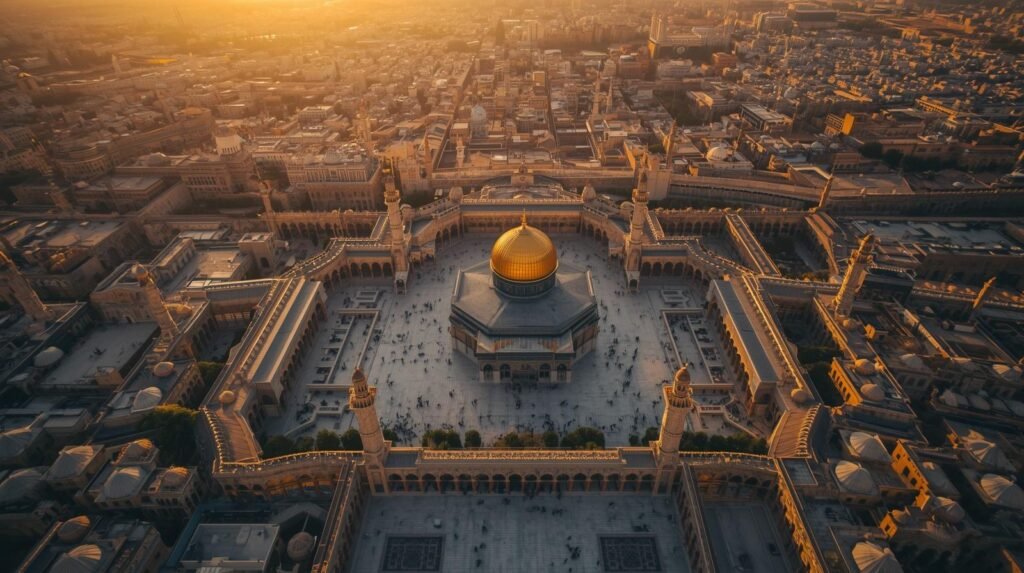
Al-Aqsa Mosque remains one of the holiest sites in Islam. Consequently, Muslims around the world feel deeply connected to Jerusalem and the mosque.
Any political tension surrounding Al-Aqsa often creates strong international reactions.
Political Importance of Jerusalem
Jerusalem remains central to Palestinian identity and political aspirations. Palestinians consider East Jerusalem the capital of a future Palestinian state.
However, tensions involving religious access, settlement activity, and political demonstrations continue to increase throughout the city.
Therefore, Latest Al Aqsa News frequently focuses on Jerusalem developments and Al-Aqsa-related news.
Al Aqsa Times: The Political Side of the Gaza Crisis
Occupation and Restrictions
Many Palestinians argue that occupation and movement restrictions continue to worsen humanitarian conditions throughout the Palestinian territories.
Checkpoints, border controls, and travel limitations affect healthcare access, employment opportunities, and family life.
Economic Hardship
Economic conditions in Gaza remain extremely difficult because conflict and restrictions affect businesses, trade, and infrastructure.
Additionally, unemployment rates remain high among young Palestinians.
Consequently, many families depend heavily on humanitarian aid for survival.
Global Reactions to the Gaza Crisis
International Demonstrations Supporting Palestine
Millions of people worldwide continue joining demonstrations supporting Palestinian rights and humanitarian protection.
Activists often call for:
- Immediate ceasefires
- Humanitarian aid access
- Civilian protection
- International accountability
- Respect for Palestinian rights
As a result, international solidarity movements continue growing rapidly.
Humanitarian Organizations and Aid Efforts
Humanitarian agencies continue delivering emergency food, medicine, water, and shelter assistance to Palestinian civilians.
However, aid groups frequently warn that civilian needs remain far greater than available resources.
Therefore, international humanitarian support remains extremely important.
The Role of Social Media in Gaza Awareness
Digital Platforms Changed Conflict Reporting
Social media transformed how people follow conflicts and humanitarian crises. Today, videos and eyewitness reports from Gaza spread globally within minutes.
Consequently, millions of people directly witness civilian suffering and destruction in real time.
Youth Activism and Online Awareness
Young activists, journalists, and students use social media to educate audiences about:
- Gaza humanitarian conditions
- Palestinian history
- Refugee experiences
- Al-Aqsa Mosque
- Human rights concerns
Because of these efforts, global awareness about Palestine continues expanding.
Palestinian Resilience and Survival
The Meaning of Sumud
Palestinians often use the Arabic word “Sumud,” meaning steadfastness and resilience. The term reflects patience, survival, and dignity despite hardship.
Even during severe conflict, Palestinian families continue rebuilding homes, communities, and schools.
Cultural Identity and Resistance
Palestinians continue preserving traditions connected to language, food, poetry, music, embroidery, and historical memory.
Consequently, cultural identity remains a powerful form of resistance and survival.
Challenges Faced by Palestinian Journalists
Reporting During Conflict
Journalists covering Gaza often work under dangerous conditions involving airstrikes, communication disruptions, and infrastructure destruction.
However, many reporters continue documenting humanitarian realities despite these risks.
The Importance of Eyewitness Journalism
Eyewitness reporting helps international audiences understand conditions inside Gaza beyond political speeches and official statements.
Therefore, independent journalism remains essential in Palestine conflict coverage.
Conclusion
Al Aqsa Times represents the growing global demand for truthful Gaza war updates, humanitarian reporting, and Palestine-centred journalism. Across Gaza, Palestinian civilians continue facing destruction, displacement, shortages, and emotional trauma caused by the ongoing conflict and humanitarian crisis.
Meanwhile, millions of supporters worldwide continue raising awareness about Palestinian rights, civilian protection, and humanitarian justice. Because digital media expanded access to information, Palestinian voices now reach broader global audiences than ever before.
About The Author
