

Powerful Iran News: Israel-Iran Conflict Expands
The Middle East is once again at a critical turning point, and the Israel-Iran conflict has gained international attention. Therefore, following Iran News is essential for anyone seeking to understand the fast-changing dynamics in this region. The conflict is expanding, with political, military, and economic implications that extend far beyond the immediate borders.
Moreover, the situation is not isolated. It affects neighboring countries, regional alliances, and global powers. Because of this, analyzing the causes and consequences step by step helps provide clarity. This article explores the Israel-Iran conflict in detail, focusing on recent developments, regional impact, and future possibilities while keeping the explanation simple and reader-friendly.

Historical Context of the Israel-Iran Conflict
Origins of Tension
The Israel-Iran conflict is rooted in political, religious, and ideological differences. Iran, an Islamic Republic, has long opposed Israel’s existence, while Israel perceives Iran’s military growth and regional influence as a threat. Therefore, the underlying tension has persisted for decades.
Previous Conflicts and Proxy Wars
Historically, direct confrontation has been limited, but proxy conflicts have escalated. Iran supports groups such as Hezbollah and Hamas, while Israel monitors these groups closely. As a result, clashes in Syria, Lebanon, and Gaza are often extensions of this ongoing struggle. Iran News frequently reports on these proxy interactions and their regional consequences.
Recent Escalation: Why the Conflict Is Expanding Now
Military Developments
Recent months have seen increased military activity from both sides. Israel has conducted airstrikes targeting Iranian-affiliated positions in Syria, while Iran has tested drones and missile capabilities. Therefore, military posturing has intensified, raising the possibility of larger confrontations.
Cyber and Intelligence Operations
Modern conflicts also include cyberattacks and espionage. Israel and Iran have reportedly engaged in digital operations, targeting each other’s infrastructure. These covert actions heighten tension and make conflict resolution more challenging. As a result, Iran News emphasizes both physical and digital dimensions of the war.
Political Statements and Public Messaging
Both nations use public statements to assert dominance and signal intentions. For example, Iranian leaders emphasize resistance against Israel, while Israeli officials warn of swift retaliation. Consequently, rhetoric contributes to the perception that the conflict could escalate rapidly.
Iran’s Strategic Role in the Region
Regional Influence
Iran’s influence extends across Iraq, Lebanon, Syria, and Yemen. Therefore, its actions affect multiple countries and groups. Iran News reports that Iran’s alliances and support for proxy groups are central to the conflict’s expansion.
Military Capabilities
Iran has developed advanced missile systems, drones, and defensive technologies. Consequently, these capabilities provide Iran with leverage in regional confrontations, particularly with Israel. Furthermore, the military buildup serves both defensive and strategic purposes, making the conflict more complex.
Israel’s Response and Strategic Planning
Defensive Measures
Israel has invested heavily in defense systems, including the Iron Dome and missile interceptors. Therefore, it can respond to Iranian attacks more effectively. These measures aim to protect civilians and key infrastructure while maintaining military readiness.
Regional Cooperation
Israel has sought closer ties with other regional powers, such as Saudi Arabia and the United Arab Emirates. Consequently, alliances strengthen its position against Iranian influence. Iran News often highlights how diplomatic initiatives complement Israel’s military strategies.
The Role of the United States and Global Powers
US Involvement
The United States plays a crucial role in the Israel-Iran conflict. Therefore, American support for Israel, including military aid and intelligence sharing, significantly affects the balance of power. Moreover, US diplomatic efforts aim to manage escalation while signaling deterrence toward Iran.
Global Impact
The conflict influences global security, energy markets, and trade routes. Consequently, any escalation can affect countries far beyond the Middle East. Because of this, Iran News emphasizes both local developments and global implications.
Economic and Humanitarian Implications
Impact on Civilians
Civilians in conflict zones face displacement, insecurity, and shortages of essential resources. Therefore, humanitarian concerns are rising as tensions expand. Local communities often rely on aid organizations, although access can be limited.
Economic Pressures
The Israel-Iran conflict also affects regional economies. For example, trade disruptions and oil price fluctuations create broader economic challenges. Consequently, Iran News covers how these tensions extend into global markets.
Role of Media and Information in the Conflict
Fast-Paced News Cycle
Information spreads rapidly through traditional and digital media. Therefore, people receive updates almost in real time. However, not all sources provide accurate reporting. Latest Islamic News serves as a reliable resource for verified developments.
Public Perception and Influence
Media coverage shapes public perception, influencing both domestic and international opinion. Consequently, governments monitor how information is shared to maintain a strategic advantage.
Potential Scenarios for Conflict Escalation
Scenario One: Limited Engagement
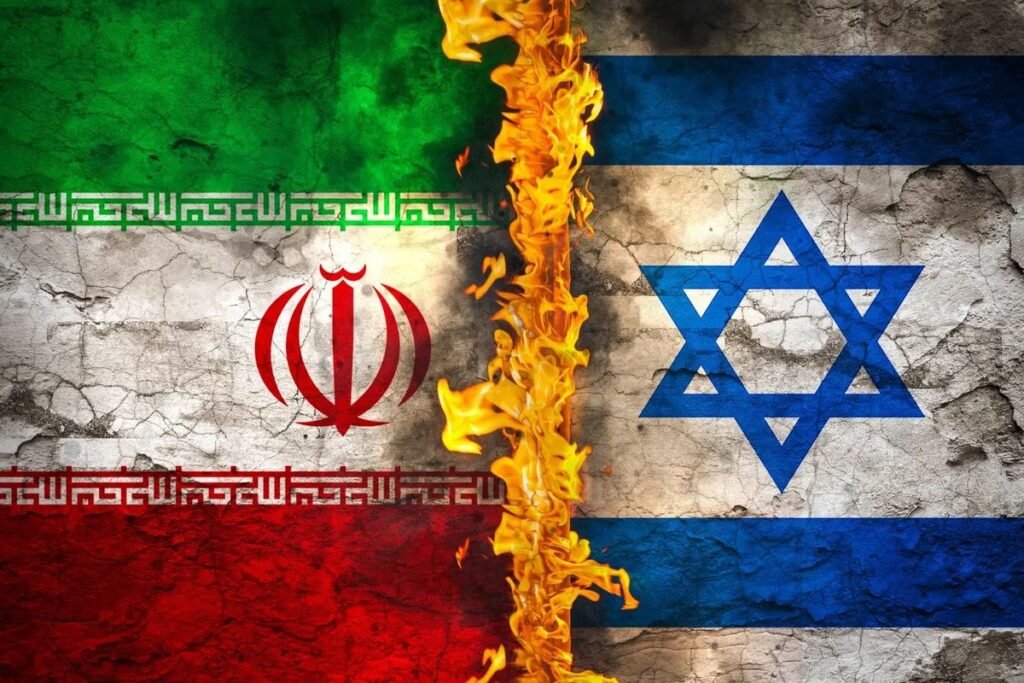
The first possibility is that both nations continue with limited proxy confrontations. Therefore, small clashes may continue without full-scale war. This scenario still carries risk but avoids immediate large-scale destruction.
Scenario Two: Regional Escalation
If tensions grow, conflicts could spread to other countries. Consequently, neighboring states may be drawn into the struggle, heightening instability across the Middle East. Iran News suggests this scenario is a major concern for policymakers.
Scenario Three: Direct War
The worst-case scenario involves direct confrontation between Israel and Iran. Therefore, military strikes on both sides could result in significant casualties and infrastructure damage. Additionally, global powers may intervene, further complicating the situation.
Diplomatic Efforts and Peace Prospects
Ongoing Negotiations
Despite rising tensions, diplomatic channels remain active. Therefore, international mediators continue to push for dialogue between the parties. These efforts aim to reduce conflict intensity while addressing security concerns.
Role of International Organizations
Organizations such as the United Nations work to maintain peace and monitor developments. Consequently, they provide platforms for negotiation and humanitarian assistance, helping mitigate escalation.
Lessons from History
Past Conflicts
Historical events show that rapid escalation often occurs when mistrust dominates. Therefore, understanding past Israel-Iran interactions helps predict potential outcomes. Iran News frequently analyzes historical trends to provide context.
Importance of Diplomacy
Past crises demonstrate that dialogue and negotiation can prevent war. Consequently, diplomacy is essential for long-term stability. Learning from previous mistakes remains a key strategy for all parties.
Why Staying Informed Is Critical
Understanding Complex Dynamics
Following Iran News helps people understand multiple layers of the conflict. Therefore, they can see political, military, and economic factors clearly.
Preventing Misinformation and Panic
Accurate information reduces fear and confusion. Consequently, reliable reporting ensures that citizens and policymakers make informed decisions. In addition, clear explanations help prevent the spread of rumors that could worsen tensions.
Conclusion
The Israel-Iran conflict is expanding rapidly, and its consequences are both regional and global. Therefore, careful monitoring and informed analysis are essential. Iran News demonstrates that while tensions are high, diplomacy and strategic planning can still prevent full-scale war.
Moreover, civilians, governments, and international organizations all play roles in shaping outcomes. Consequently, staying informed, supporting peaceful solutions, and understanding the broader context are crucial. In conclusion, the Middle East stands at a crossroads, and the coming months will determine whether the conflict escalates or stabilizes.
About The Author
