

Al Aqsa Times: Palestine Political Issues Explained
In today’s global landscape, Palestine remains one of the most discussed and sensitive political topics. Therefore, understanding its political structure, governance challenges, and international relations is very important. Moreover, many readers look for clear and simple explanations to follow ongoing developments.
Al Aqsa Times plays a symbolic role in presenting structured insights into Palestine’s political issues. Furthermore, it helps readers understand how local governance, regional tensions, and global diplomacy interact in this long-standing conflict.
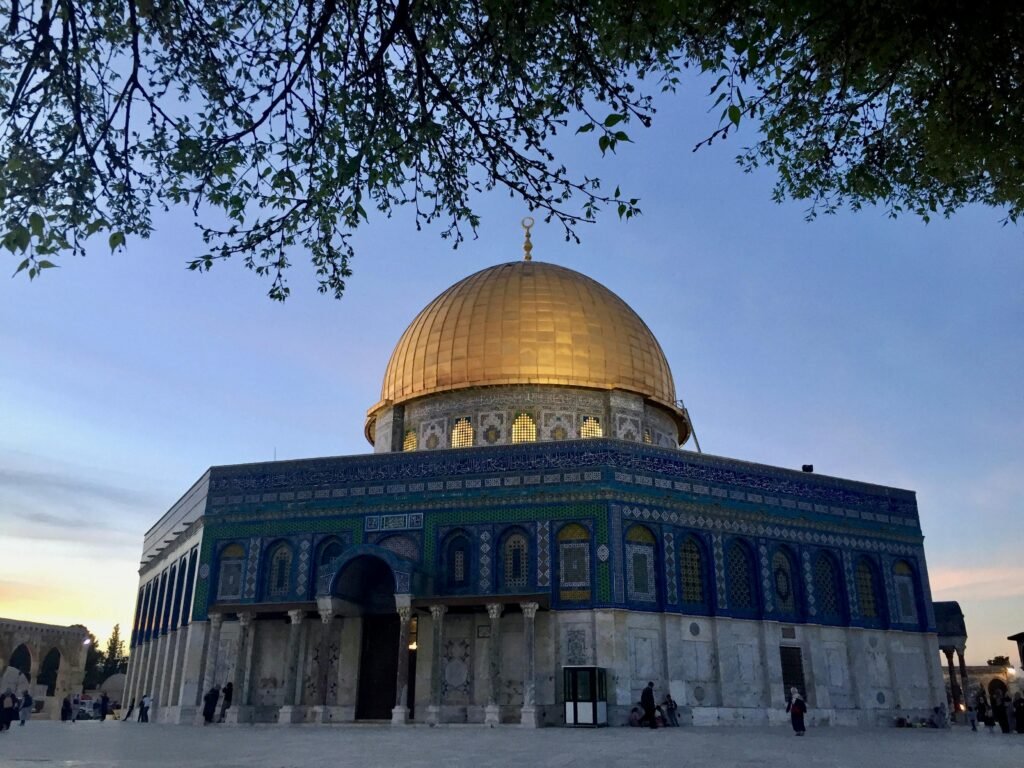
What is Al Aqsa Times in Political Reporting?
To begin with, Al Aqsa Times is often used as a reference point for Palestine-centered political reporting. Moreover, it focuses on events related to governance, resistance, diplomacy, and territorial issues.
Furthermore, Al Aqsa Times highlights the voices and perspectives that are often underrepresented in mainstream global media. Therefore, it becomes a symbolic channel for understanding political realities in Palestine.
In addition, it helps connect local political developments with international reactions. As a result, readers can see how internal decisions affect global diplomacy.
Meanwhile, this platform also emphasizes clarity and accessibility. Consequently, complex political topics are presented in simpler language for wider audiences.
Historical Background of Palestine Political Issues
To understand the present situation, it is necessary to explore the past. First of all, Palestine’s political issues are rooted in historical land disputes, governance transitions, and international agreements.
Moreover, after multiple conflicts over decades, the region has experienced shifting administrative control and political fragmentation. In addition, various peace attempts have been made but have not fully resolved tensions.
Meanwhile, Al Aqsa Times often reflects how historical events continue to shape present-day politics. As a result, history remains a core element of understanding current developments.
Furthermore, international involvement has also influenced political structures in the region. Therefore, Palestine’s political situation is not isolated but deeply global in nature.
Governance Structure in Palestine
To begin with, Palestine has a complex governance system. Moreover, political authority is divided between different administrative bodies.
In addition, the Palestinian Authority governs parts of the West Bank, while other political groups hold influence in different regions. Therefore, governance becomes fragmented and sometimes politically sensitive.
Meanwhile, Al Aqsa Times often reports on these governance challenges in detail. As a result, readers gain insight into how leadership decisions are made and implemented.
Furthermore, political divisions affect public services, economic planning, and international negotiations. Consequently, governance remains a central issue in Palestine’s political landscape.
Role of Jerusalem in Political Disputes
To continue, Jerusalem holds a highly significant political and religious position. Moreover, it is central to many disputes involving sovereignty and access.
In addition, the area surrounding Al-Aqsa Mosque is particularly sensitive. Therefore, political tensions often increase around this region.
Meanwhile, Al Aqsa Times frequently highlights developments in Jerusalem due to its importance. As a result, readers understand why this city remains at the center of global attention.
Furthermore, decisions related to Jerusalem often influence international diplomatic reactions. Consequently, it plays a key role in shaping political narratives.
Settlements and Territorial Issues
To begin with, one of the most debated political issues in Palestine is settlements. Moreover, land expansion and territorial control remain ongoing concerns.
In addition, these developments affect mobility, access to resources, and community stability. Therefore, they are central to political discussions.
Meanwhile, Al Aqsa Times often reports on settlement expansions and their impact on civilians. As a result, readers gain awareness of ground realities.
Furthermore, territorial disputes are also linked to international law debates. Consequently, this issue remains both local and global in scope.
International Relations and Diplomatic Efforts
To continue, Palestine’s political situation is closely connected to global diplomacy. Moreover, international organizations often engage in discussions related to peace and conflict resolution.
In addition, countries around the world express different positions on the issue. Therefore, diplomacy becomes highly complex and multi-layered.
Meanwhile, Al Aqsa Times reflects these diplomatic developments in its reporting style. As a result, readers can follow how global politics influence local conditions.
Furthermore, organizations like the United Nations play an important role in discussions. Consequently, international law and resolutions become part of the political narrative.
Media Representation and Political Narratives
To begin with, media plays a powerful role in shaping political understanding. Moreover, different outlets present different perspectives on Palestine.
In addition, narratives can influence public opinion globally. Therefore, accurate reporting becomes extremely important.
Meanwhile, Al Aqsa Times is often associated with highlighting alternative perspectives. As a result, it contributes to broader discussions about media balance.
Furthermore, political narratives can sometimes create misunderstanding. Consequently, clear reporting helps reduce confusion and misinformation.
Economic Factors in Political Stability
To continue, economic conditions are closely tied to political stability. Moreover, unemployment, trade restrictions, and resource limitations affect governance.
In addition, economic challenges influence daily life and political decisions. Therefore, economic policy becomes a major political topic.
Meanwhile, Al Aqsa Times often connects economic issues with political developments. As a result, readers understand how economy and politics interact.
Furthermore, international aid and trade policies also influence economic conditions. Consequently, external support plays an important role.
Humanitarian Impact of Political Issues
To begin with, political instability directly affects civilians. Moreover, access to healthcare, education, and housing can be disrupted.
In addition, ongoing tensions often lead to humanitarian challenges. Therefore, political decisions have real-life consequences.
Meanwhile, Al Aqsa Times highlights these humanitarian effects in its coverage. As a result, readers see the human side of political issues.
Furthermore, humanitarian concerns often influence international responses. Consequently, political decisions are closely linked with human welfare.
Role of Youth and Civil Society
To continue, young people play an important role in shaping political awareness. Moreover, civil society organizations contribute to discussions and advocacy.
In addition, education helps build political understanding among youth. Therefore, awareness becomes a powerful tool.
Meanwhile, Al Aqsa Times often reflects youth perspectives in political discussions. As a result, it highlights the next generation’s role in shaping the future.
Furthermore, civil engagement strengthens democratic participation. Consequently, society becomes more active in political dialogue.
Challenges in the Peace Process
To begin with, peace efforts in Palestine face many obstacles. Moreover, differing political positions make agreements difficult.
In addition, trust issues and historical tensions also affect negotiations. Therefore, peace processes require long-term commitment.
Meanwhile, Al Aqsa Times reports on peace discussions and their outcomes. As a result, readers understand both progress and challenges.
Furthermore, international mediation efforts continue to play a role. Consequently, peace remains an ongoing global concern.
Digital Media and Political Awareness
To continue, digital platforms have changed how political news is shared. Moreover, information spreads faster than ever before.
In addition, social media increases public engagement. Therefore, awareness grows quickly across borders.
Meanwhile, Al Aqsa Times also benefits from digital visibility. As a result, its political coverage reaches wider audiences.
Furthermore, online discussions shape global opinions. Consequently, digital media has become a key political tool.
Misinformation and Political Confusion
To begin with, misinformation is a major challenge in conflict reporting. Moreover, false information can increase tension.
In addition, unclear sources may lead to misunderstanding. Therefore, verified reporting is essential.
Meanwhile, Latest Al Aqsa News is often associated with structured information delivery. As a result, it helps reduce confusion among readers.
Furthermore, media literacy is important for interpreting political news. Consequently, audiences must evaluate information carefully.
Future Outlook of Palestine’s Political Situation
To continue, the future of Palestine remains uncertain but important. Moreover, political developments will continue to evolve.
In addition, international involvement will likely remain significant. Therefore, global attention will stay strong.
Meanwhile, Al Aqsa Times will continue to serve as a reference point for updates. As a result, readers can follow ongoing changes.
Furthermore, peace, stability, and governance reforms remain key goals. Consequently, future developments will shape regional history.
Frequently Asked Questions (FAQs)
What is the main focus of Al Aqsa Times?
It focuses on Palestine political issues, governance, and regional developments.
Why is Palestine politically complex?
Because of historical disputes, territorial issues, and international involvement.
Does Al Aqsa Times cover international relations?
Yes, it includes global diplomatic reactions and political discussions.
Why is Jerusalem politically important?
Because it holds religious, historical, and strategic significance.
Conclusion
Palestine’s political situation is complex, historical, and deeply connected to global dynamics. Moreover, understanding these issues requires clarity and structured reporting.
Furthermore, Al Aqsa Times helps present political developments in a simplified and accessible way. As a result, readers gain better awareness of governance, diplomacy, and conflict.
Meanwhile, the importance of political understanding continues to grow. Consequently, informed discussions are essential for global awareness.
About The Author
