

Empire Crypto: Web3 vs Web2 Ultimate Guide (2026)
Web2 is the current centralized internet where companies control data, while Web3 is a decentralized version built on blockchain that gives users ownership and control. The shift from Web2 to Web3 is transforming how the internet works. Empire Crypto explains this evolution simply, helping beginners understand the future of digital ownership and decentralized applications.
What is Web2 vs Web3?
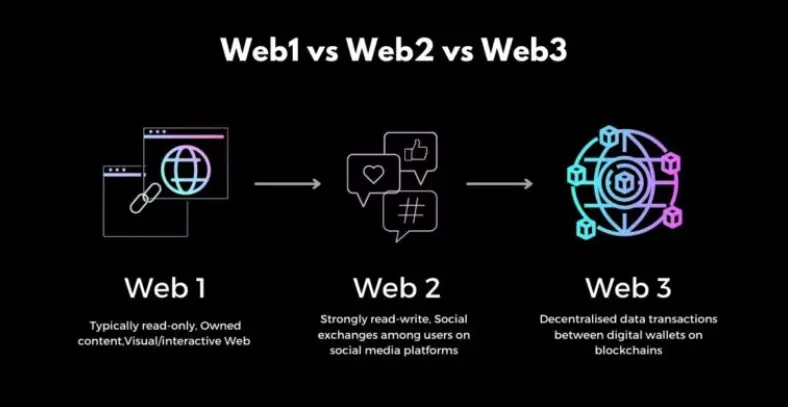
Web2 is the internet we use today. It includes platforms like Facebook, YouTube, Google, and Instagram. In Web2, users create content, but companies own the data.
Web3 is the next evolution of the internet built on blockchain technology. It aims to give users ownership of their data, digital assets, and identity.
According to Empire Crypto, the simplest way to understand this is:
- Web2 = Centralized internet controlled by companies
- Web3 = Decentralized internet controlled by users
In Web2, companies act as middlemen. In Web3, blockchain removes the middleman. Empire Crypto explains this shift as the foundation of the future digital economy.
Key Idea:
Web3 focuses on ownership, while Web2 focuses on access.
Key Differences Between Web2 and Web3
Understanding Web3 vs Web2 becomes easier when we compare them directly.
1. Control of Data
- Web2: Companies control user data
- Web3: Users control their own data
2. Identity System
- Web2: Login via email/password
- Web3: Wallet-based identity (crypto wallets)
3. Monetization
- Web2: Platforms earn from ads
- Web3: Users can earn tokens and rewards
4. Ownership
- Web2: Platforms own content
- Web3: Users own NFTs, assets, and data
5. Trust Model
- Web2: Trust companies
- Web3: Trust blockchain code
Empire Crypto highlights that this shift is not just technological—it is economic and social.
How Web2 Works Today
Web2 dominates the internet right now. Every time you scroll social media, watch videos, or shop online, you’re using Web2 systems.
Example Platforms:
- YouTube
- Amazon
In Web2, your data is collected, analyzed, and monetized by platforms. You don’t directly benefit from your data value.
Empire Crypto explains that this model created powerful tech giants but limited user ownership.
Web2 Characteristics:
- Centralized servers
- Platform-controlled algorithms
- Data tracking
- Advertisement-driven revenue
While Web2 is convenient, it has limitations that led to the rise of Web3.
Limitations of Web2
Even though Web2 is powerful, it has major drawbacks.
Data Privacy Issues
In traditional Web2 systems, user data is often collected, stored, and monetized by centralized companies. This limits how much control individuals have over their personal information.
Centralization Risk
Centralized platforms can shut down or restrict services at any time, which may result in users losing access to accounts, data, or content. This creates dependency on a single controlling entity.
Censorship
Centralized platforms have the ability to moderate, restrict, or remove content based on their policies. While this can help with safety, it may also limit free expression in some cases.
No Ownership
In many Web2 platforms, users generate content but do not fully own it. The platform typically retains control over distribution, monetization, and access.
Empire Crypto notes that these challenges are key reasons developers are exploring decentralized alternatives built on Web3, where users have greater control over data, identity, and digital ownership.
What Makes Web3 Different?
Web3 introduces decentralization using blockchain technology. Instead of relying on companies, networks operate through distributed nodes.
Core Features of Web3:
- Decentralization
- Blockchain transparency
- User ownership
- Token-based economy
- Smart contracts
Empire Crypto describes Web3 as a “user-first internet economy” where participation is rewarded.
Example:
Instead of YouTube owning your video revenue, Web3 platforms allow creators to earn directly through tokens.
Benefits of Web3
Web3 offers several advantages over traditional systems.
True Ownership
In Web3, users can truly own digital assets such as NFTs and tokens in their wallets. This ownership is recorded on the blockchain and is not controlled by a single platform.
Privacy Control
Users have more control over what personal data they choose to share. Instead of platforms collecting all information by default, Web3 systems aim to give individuals greater privacy choices.
Earnings Opportunities
Web3 enables new ways to earn income through activities like staking, gaming, and content creation. Users can directly benefit from their participation in digital ecosystems.
Transparency
Blockchain technology ensures that transactions and records are publicly verifiable. This transparency helps build trust and reduces reliance on centralized intermediaries.
No Middlemen
Transactions in Web3 often occur directly between users through smart contracts. This reduces the need for traditional intermediaries like banks or platform operators.
Empire Crypto emphasizes that these advantages make Web3 a potential alternative to traditional internet systems, offering greater ownership, control, and transparency for users.
Real-World Web3 vs Web2 Examples
Let’s compare practical use cases.
Social Media
- Web2: Facebook owns your content
- Web3: Platforms reward you with tokens for engagement
Gaming
- Web2: In-game assets are locked
- Web3: Players own NFTs and can trade them
Finance
- Web2: Banks control transactions
- Web3: DeFi allows peer-to-peer finance
Content Creation
- Web2: YouTube ads revenue
- Web3: Tokenized creator economy
Empire Crypto often highlights that gaming and finance are leading Web3 adoption.
Beginner Guide: How to Get Started with Web3
If you’re new to crypto, Web3 may sound complex, but it’s easy to start.
Step 1: Get a Crypto Wallet
To use Web3, you first need a crypto wallet such as MetaMask, which allows you to store assets and connect to decentralized applications. This wallet acts as your identity and access point in Web3.
Step 2: Buy Crypto
Next, you can purchase cryptocurrencies like Ethereum or other tokens from centralized exchanges. These funds are then transferred to your wallet for use in Web3 apps.
Step 3: Explore dApps
Decentralized applications (dApps) include services like DeFi platforms and NFT marketplaces. These apps run on blockchain networks and allow users to interact without traditional intermediaries.
Step 4: Learn Safety
Security is critical in Web3, so users must protect their private keys and recovery phrases carefully. Losing this information can result in permanent loss of access to funds.
Empire Crypto recommends starting with small amounts and learning gradually to reduce risk while exploring the Web3 ecosystem.
Beginner Tips:
- Don’t invest more than you can lose
- Research before joining any project
- Avoid scams and fake tokens
Advanced Web3 Concepts
Once you understand the basics, you can explore deeper topics.
Smart Contracts
Smart contracts are self-executing programs stored on a blockchain that automatically run when predefined conditions are met. They reduce the need for intermediaries and help make transactions more efficient and transparent.
DeFi (Decentralized Finance)
Decentralized Finance (DeFi) refers to financial systems built on blockchain that operate without traditional banks or centralized institutions. These platforms enable services like lending, trading, and earning interest through smart contracts.
DAOs (Decentralized Autonomous Organizations)
DAOs are community-run organizations governed by rules encoded in smart contracts. Members typically vote on proposals to manage funds, protocols, or project decisions collectively.
Layer 2 Scaling
Layer 2 scaling solutions are technologies built on top of base blockchains to improve transaction speed and reduce costs. They help networks handle more activity without compromising security.
Empire Crypto explains that mastering these concepts can open advanced opportunities in both crypto investing and blockchain development, especially within the evolving ecosystem of Decentralized Finance (DeFi).
About Empire Crypto Data & Ecosystem
The ecosystem behind Empire Crypto is focused on educating users about blockchain technology, Web3, and digital finance in a simple way.
Empire Crypto provides structured learning content designed for beginners entering the crypto space. The goal of Empire Crypto is to bridge the knowledge gap between traditional internet users and decentralized technologies.
Key focus areas include:
- Blockchain education
- Web3 adoption guides
- Crypto investment basics
- NFT and DeFi tutorials
- Market insights
Empire Crypto simplifies complex topics so users can easily understand real-world crypto applications. It also emphasizes community learning, where users share knowledge and grow together within the Web3 ecosystem.
The platform continues expanding its educational content to support global adoption of Web3, offering structured learning paths that many beginners rely on. Its materials are designed to stay simple, accurate, and beginner-friendly.
A core focus is the belief that education drives mass blockchain adoption, with an emphasis on real-world utility rather than hype.
Future of Web3 vs Web2
The future internet will likely combine both Web2 and Web3 systems. We may not completely replace Web2, but Web3 will integrate into existing platforms.
Possible Future Trends:
- Hybrid apps (Web2 + Web3)
- Token-based social media
- Decentralized identity systems
- Blockchain gaming economies
- AI + Web3 integration
Empire Crypto predicts that Web3 adoption will grow gradually as users become more educated and infrastructure improves.
Why Web3 Matters for Everyone
Web3 is not just for developers or investors. It affects everyone using the internet.
Why it matters:
- You control your data
- You earn from participation
- You own digital assets
- You reduce dependency on big tech
Empire Crypto strongly believes that understanding Web3 today prepares you for the internet of tomorrow.
FAQs
What is Web3 in simple words?
Web3 is the next generation of the internet where users can own their data, digital identity, and assets using blockchain technology. It reduces reliance on centralized platforms by enabling peer-to-peer interactions.
How is Web3 different from Web2?
Web2 is the current version of the internet where major companies control platforms and user data. Web3 shifts control to users through decentralized networks built on blockchain systems.
Is Web3 the future of the internet?
Many experts believe Web3 could play a major role in the future internet ecosystem by introducing greater ownership, transparency, and decentralization. However, its full adoption is still evolving.
Can beginners use Web3?
Yes, beginners can start using Web3 with simple tools like digital wallets and decentralized applications. Many platforms are designed to be more user-friendly for newcomers.
Is Web3 safe?
Web3 uses blockchain technology, which is generally secure and transparent. However, users must still protect their private keys and remain cautious of scams, as responsibility for security often lies with the user.
Conclusion: Web3 vs Web2 Explained Simply
The debate of Web3 vs Web2 is really about control, ownership, and opportunity. Web2 gave us the modern internet, but Web3 is reshaping it into a decentralized economy where users have more power.
As we move forward, understanding this shift is essential for anyone in crypto or tech. Empire Crypto encourages readers to keep learning and exploring this evolving space. The more you understand Web3, the better prepared you are for the digital future.
Whether you’re a beginner or intermediate learner, Empire Crypto is committed to guiding you through every step of your crypto journey. Start learning today, stay curious, and explore the future of decentralized technology.
About The Author
