

Powerful Iran News and Israel War Update Today
The conflict between Iran and Israel remains one of the most serious security issues in the Middle East. At the same time, developments involving the United States, Gulf countries, Lebanon, Syria, Iraq, Yemen, and Palestinian territories can quickly change the wider regional picture. Therefore, Iran News is closely watched by people who want to understand military developments, political decisions, and the risks of a larger war.
The Historical Background of Iran and Israel
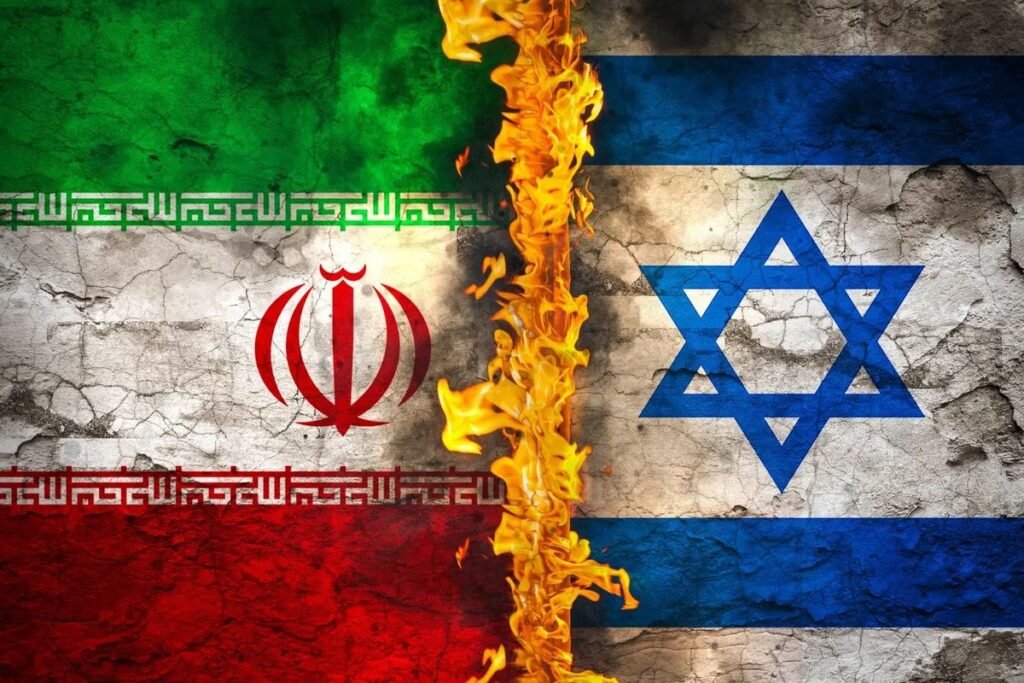
Relations Before the Iranian Revolution
Before 1979, Iran under Shah Mohammad Reza Pahlavi maintained important relations with Israel.
The two countries had shared strategic interests in some areas, particularly because of concerns about regional politics and security.
However, the Iranian Revolution fundamentally changed this relationship.
The new Islamic Republic adopted a foreign policy that strongly rejected Israel and American influence.
The Iranian government also placed support for Palestinians at the center of parts of its regional policy.
Consequently, Iran and Israel moved from cooperation to intense hostility.
The Growth of the Rivalry
Over the following decades, neither country formally declared a traditional full-scale war against the other.
Instead, they often competed indirectly.
Iran developed relationships with regional organizations and armed groups.
Israel conducted intelligence and military operations against what it described as Iranian military activities.
Furthermore, cyber operations and covert actions became part of the wider struggle.
This created a long period of what analysts often describe as a shadow conflict.
However, direct exchanges have made the relationship much more dangerous in recent years.
Iran News: Iran’s View of the Conflict
Iran presents its regional policy through several major themes.
First, Tehran says it supports Palestinian rights.
Second, Iranian leaders oppose Israeli military and political influence.
Third, Iran strongly criticizes the presence of American forces in the Middle East.
Fourth, Tehran argues that its military capabilities are necessary for national defense.
Therefore, Iranian officials often describe their actions as defensive or as part of resistance against foreign pressure.
However, Israel and the United States interpret several Iranian activities differently.
They argue that Iran’s missile program, nuclear capabilities, and support for regional armed groups create major security risks.
This difference in perception is one of the main reasons the conflict remains difficult to solve.
Iran News: Israel’s View of Iran
Israel sees Iran as a major long-term threat.
Israeli officials have repeatedly expressed concern about several areas.
Iran’s Nuclear Program
Israel fears that Iran could eventually develop the ability to produce nuclear weapons.
Iran denies that it seeks nuclear weapons and says its nuclear activities have peaceful purposes.
Nevertheless, Israel considers Iran’s nuclear knowledge and enrichment capabilities a serious strategic concern.
Iranian Missiles
Iran has developed a large missile program.
These weapons can potentially reach targets across significant distances.
Israel therefore invests heavily in air-defense systems and other technologies designed to detect and stop missile threats.
Iran’s Regional Relationships
Israel also objects strongly to Iranian support for groups operating near Israeli territory.
Hezbollah in Lebanon is particularly important.
Israel considers Hezbollah a major military threat because of its large missile and rocket capabilities.
Consequently, any major confrontation between Iran and Israel creates concerns about additional fighting on Israel’s northern border.
Iran News: The Nuclear Dispute
The nuclear issue remains one of the most important parts of Iran News.
Iran insists that its nuclear program is designed for peaceful purposes.
However, the United States, Israel, and several European countries have expressed concern about Iran’s nuclear activities.
The 2015 Nuclear Agreement
In 2015, Iran reached the Joint Comprehensive Plan of Action with the United States, Britain, France, Germany, Russia, China, and the European Union.
The agreement placed restrictions on important parts of Iran’s nuclear program.
In exchange, Iran received sanctions relief.
The agreement was considered a major diplomatic achievement.
However, the United States withdrew from the agreement in 2018.
Afterward, Iran gradually exceeded several restrictions that had been established under the deal.
Consequently, tensions over the nuclear issue increased.
Why the Nuclear Question Is Dangerous
The nuclear dispute matters because military action could have extremely serious consequences.
If Israel believes that Iran is moving too close to a weapons capability, Israeli leaders may feel pressure to act.
Iran, however, could view an attack on its nuclear facilities as an act of war.
The United States could then face pressure to support Israel or respond to Iranian actions.
Therefore, a dispute that begins around nuclear facilities could develop into a much larger regional crisis.
Iran’s Missile and Drone Capabilities
Iran has invested heavily in missiles and drones.
These systems form an important part of Tehran’s military strategy.
Missile Forces
Iran has developed different classes of ballistic and cruise missiles.
Their roles vary, but together they provide Iran with long-range strike capabilities.
Because Iran does not have an air force comparable to the United States or Israel, missiles provide an important alternative.
Therefore, missile forces are central to Iranian deterrence.
Drone Capabilities
Iran has also developed numerous drone systems.
Some are designed for surveillance.
Others can carry out attack missions.
Furthermore, Iranian drone technology has become an important part of regional military competition.
Israel and the United States have advanced systems for detecting and intercepting airborne threats.
Nevertheless, defending against large numbers of relatively inexpensive drones can be difficult.
Israel’s Air Defense
Israel has invested heavily in layered air defense.
Different systems are designed for different types of threats.
These defenses are supported by radar, intelligence systems, fighter aircraft, and cooperation with the United States.
However, no defense system can guarantee that every missile or drone will be intercepted.
Therefore, even a limited exchange can cause casualties, property damage, fear, and political pressure.
At the same time, claims about interception rates should be checked against reliable evidence because military parties have strong reasons to present events in ways that support their objectives.
The Role of the United States

The United States is deeply connected to the Iran-Israel conflict.
Washington has a close security relationship with Israel.
Furthermore, American forces operate in several parts of the Middle East.
The United States also has security partnerships with Gulf countries.
Consequently, an Iran-Israel war could create direct risks for American interests.
Why America Supports Israel
American support for Israel includes military cooperation, intelligence sharing, diplomatic support, and security assistance.
The relationship has developed over many decades.
Therefore, Washington is likely to remain an important actor during any serious Iran-Israel crisis.
Why the United States Wants to Avoid a Wider War
At the same time, Washington has reasons to prevent a regional war.
A wider conflict could put American military personnel at risk.
It could also disrupt global energy markets.
Furthermore, it could create pressure for greater American military involvement.
Therefore, the United States faces a difficult balance between supporting Israel’s security and preventing uncontrolled escalation.
The Persian Gulf and Regional Security
The Iran-Israel conflict has consequences beyond Israel and Iran.
The Persian Gulf is particularly important.
Countries such as Saudi Arabia, the United Arab Emirates, Qatar, Bahrain, Kuwait, Oman, and Iraq have major economic and security interests in the region.
These governments generally want stable energy markets and safe shipping.
Consequently, they have strong reasons to avoid becoming direct participants in a large war.
The Strait of Hormuz
The Strait of Hormuz is one of the most important strategic locations connected to the crisis.
It links the Persian Gulf with the Gulf of Oman.
Large volumes of global energy shipments pass through this area.
Therefore, military tension around the Strait can create concern throughout the international economy.
Why Shipping Matters
If ships believe that the region has become dangerous, insurance costs can increase.
Shipping companies may also change their routes.
Longer routes can require more fuel and time.
Consequently, even a regional military crisis can affect consumers and businesses far from the Middle East.
Iran’s Strategic Geography
Iran has a long coastline around the Persian Gulf and Gulf of Oman.
This gives Tehran an important geographic position.
Iran also possesses missiles, drones, naval forces, and other military capabilities that can operate in the region.
However, a major disruption of Gulf shipping would also create serious economic risks for Iran.
Therefore, the consequences would not fall on only one side.
The Role of Hezbollah
Hezbollah is one of the most important regional actors connected to Iran.
It is a major political and armed organization in Lebanon.
Hezbollah has fought several conflicts with Israel.
Its large missile and rocket capabilities make it a major concern for Israeli planners.
Therefore, a direct Iran-Israel confrontation could create pressure for Hezbollah to become more involved.
Such an outcome could place Lebanon under additional strain.
Lebanon has already experienced serious economic and political problems.
Consequently, another major war could have severe consequences for civilians.
Iran News: Iraq and the Risk of Wider Escalation
Iraq has an especially difficult position.
It maintains important relationships with Iran.
At the same time, Iraq has significant ties with the United States.
Several Iraqi armed groups also have relationships with Tehran.
Therefore, a wider USA-Iran confrontation could create pressure inside Iraq.
The Iraqi government has strong reasons to prevent its territory from becoming a battlefield.
However, regional conflicts can be difficult to contain.
Conclusion
The Iran-Israel conflict is one of the most complex security problems in the modern Middle East.It has developed through decades of political rivalry, military competition, nuclear concerns, regional alliances, and unresolved disputes involving Israel and the Palestinians.Therefore, Iran News should not be understood through isolated headlines.iran considers itself an important regional power with a right to defend its national interests.
About The Author
